Exploring the Role of Folk Healing in Modern Times
Folk healing has long served as a bridge between ancient traditions and contemporary wellness practices. As society increasingly seeks alternative methods for addressing physical, mental, and spiritual ailments, understanding the value of folk healing becomes essential. From herbal remedies to community rituals, folk healing offers insights not only into cultural heritage but also into holistic approaches that resonate with modern needs.
The Essence of Folk Healing
Folk healing encompasses a range of practices rooted in cultural beliefs and traditions. These practices vary widely, reflecting the values and customs of the communities from which they originate. Common elements include the use of herbal medicines, traditional rituals, and alternative therapies that draw upon the natural world.
Many are surprised to learn that folk healing is not just a relic of the past; it remains relevant in today’s world. For instance, herbal teas used for calming the mind or easing digestive issues have become popular even in urban settings. Awareness of natural remedies has risen, prompting many to turn to these alternatives, thereby validating their efficacy.

Folk Healing Practices Across the Globe
In various cultures, folk healing methods differ but often share similar goals: promoting well-being and treating illness. For example, in Indigenous cultures, shamans or healers utilize rituals and natural elements to restore balance and health in their communities. These practices often incorporate dance, song, and storytelling to create a holistic experience.
In contrast, Traditional Chinese Medicine emphasizes techniques such as acupuncture, cupping, and herbal medicine. These approaches focus on restoring the flow of energy, or "Qi," through the body. Today, acupuncture is often integrated into mainstream medical practices, highlighting how folk methods can complement contemporary healthcare.
Additionally, Ayurvedic medicine, which originates from India, embraces a holistic perspective. It considers the mind, body, and spirit in treatment plans. As more individuals seek personalized health solutions, Ayurveda's teachings on lifestyle, diet, and medicinal herbs continue to gain traction.
The Science Behind Folk Healing
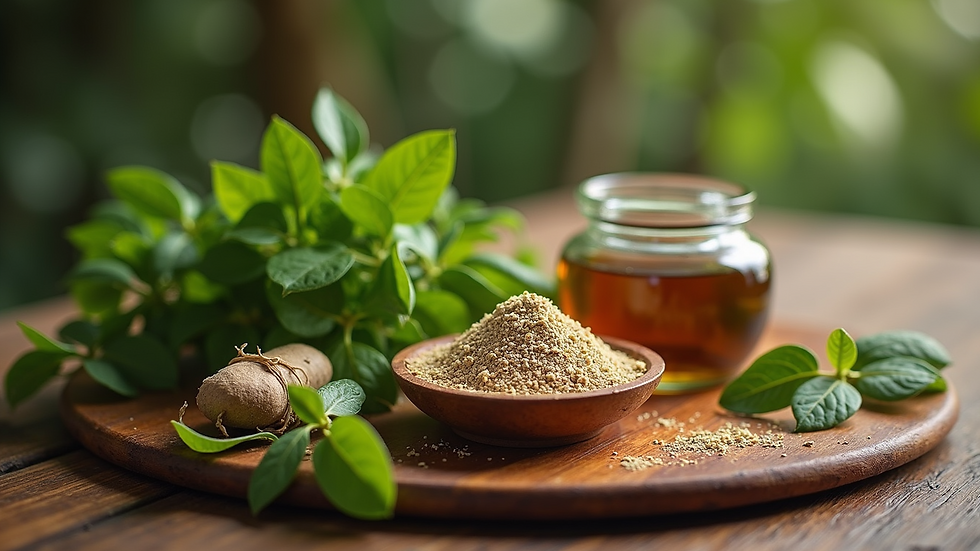
While folk healing is often dismissed by mainstream science, research increasingly supports its validity. Studies show that certain herbal remedies used for generations can be effective for various ailments. For example, St. John’s Wort, commonly used in folk healing to treat mild depression, has been shown in studies to have antidepressant effects comparable to pharmaceutical options.
Moreover, the placebo effect—which demonstrates that a person's belief in the efficacy of a treatment can produce real physiological changes—underscores the importance of psychological and emotional factors in healing. Folk healing often integrates social support from community members, enhancing its effectiveness as a complementary approach to modern medicine.
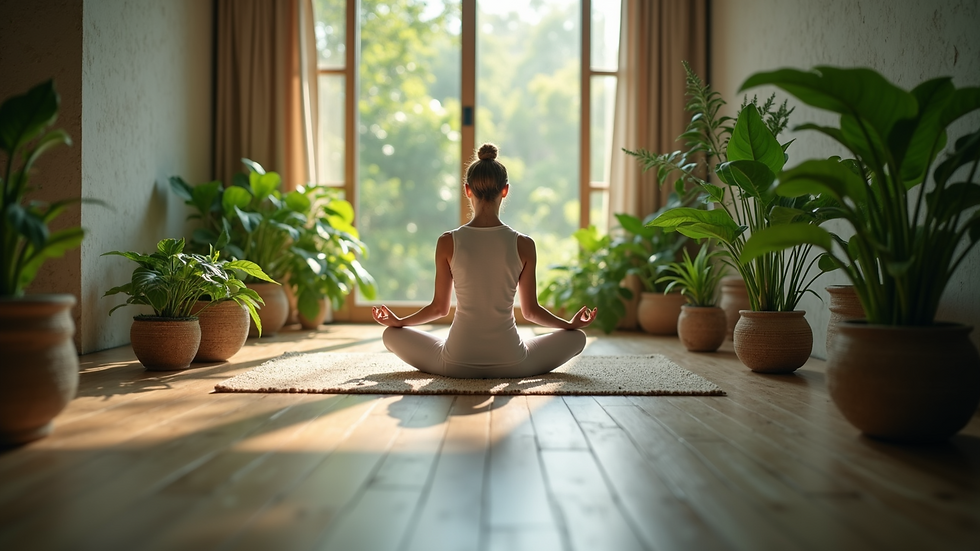
The rise of public interest in mental health has also prompted a renewed focus on the emotional and spiritual dimensions of wellness. Many people turn to folk healing practices to address issues such as anxiety, stress, and trauma. Activities like meditation, which have roots in cultural practices worldwide, are now embraced as essential wellness strategies by individuals seeking balance in their modern lives.
Integrating Folk Healing into Modern Wellness Routines
Incorporating folk healing into daily life can enrich personal wellness journeys. Here are some practical recommendations:
Explore Herbal Remedies: Research common herbs used in folk healing. Start with simple blends like chamomile for relaxation or ginger for digestive health. Ensure safety by consulting a healthcare provider.
Attend Community Workshops: Many local communities offer workshops on traditional practices such as herbalism, meditation, and yoga. Engaging with these can provide deeper insights into the cultural aspects of folk healing.
Create a Personal Ritual: Develop your own practices based on folk healing traditions. This could be lighting candles for meditation, blessing herbs before use, or chanting affirmations to enhance intention.
Combine with Modern Practices: Integrate folk healing methods with modern therapies. For instance, if you are undergoing psychotherapy, consider discussing how folk practices like guided imagery or mindfulness can complement your sessions.
Promote Awareness: Share information about folk healing with others. Whether through social media, community gatherings, or workshops, spreading knowledge fosters understanding and respect for these valuable traditions.
As you explore folk healing, keep in mind how it emphasizes a connection to the community, nature, and heritage. This holistic approach can bring balance not only to our individual lives but also to our collective well-being.
The Future of Folk Healing in a Modern Context
As the world continues to evolve, so does the appreciation for folk healing practices. Increasingly, healthcare providers recognize the importance of cultural competency and the role of traditional practices in patient care. By understanding and respecting diverse healing traditions, healthcare can become more inclusive and effective.
Moreover, the rise of holistic health and wellness trends encourages the integration of folk healing even in clinical settings. The notion of treating the person as a whole, rather than merely addressing symptoms, aligns closely with the principles of folk healing.
As society continues to embrace these practices, we may witness a hybrid model of healthcare that draws equally from folk traditions and modern medical advancements. This synergy could lead to more personalized treatment plans, ultimately providing a richer tapestry of healing options.
By understanding folk healing, individuals not only honor their history but also participate in the broader conversation surrounding health and wellness. It promotes a more inclusive view of what it means to be healthy, which is increasingly needed in a complex world.
In this context, exploring practices such as healing becomes a vital part of maintaining health, fostering deeper connections, and enhancing overall well-being.
As we journey into the future, the role of folk healing is sure to remain invaluable, bridging the gap between ancient wisdom and modern needs.


Comments